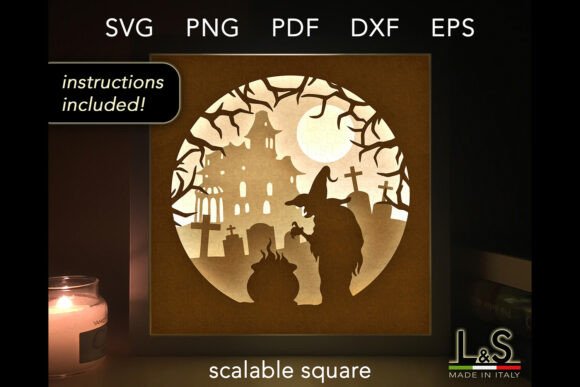
Halloween Witch Light Box Template Review
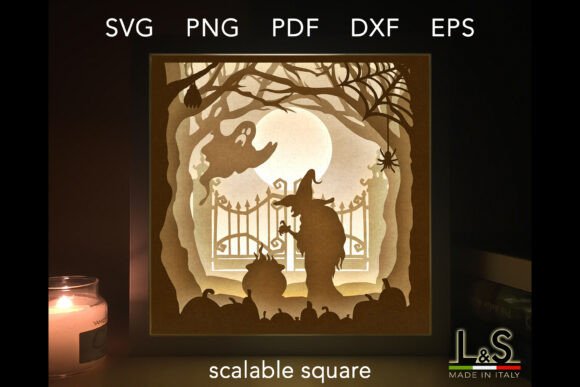
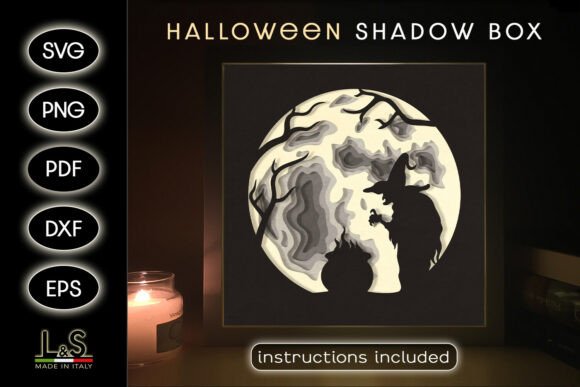
As a designer who constantly bridges the gap between digital assets and tangible handmade products, I approach every new file with a specific question: will this actually translate into a sellable or giftable item? When I first opened the Halloween Witch Light Box Template, my immediate assessment was focused on its structural integrity and mood. While the product description highlights its primary use for light boxes and white cardstock, my mind immediately went to textile applications. The silhouette style inherent in shadow box designs often makes for exceptional machine embroidery design work because it relies on shape rather than intricate internal shading. This particular template captures a whimsical yet classic Halloween aesthetic that feels nostalgic without being juvenile, making it a strong candidate for both personal holiday embroidery projects and commercial inventory for the upcoming season.
Translating Paper Layers to Thread and Fabric
The challenge with adapting a 3D SVG intended for paper crafts is ensuring the visual weight transfers correctly to fabric. In my recent test run, I evaluated this template for a custom embroidered tote bag destined for a local autumn market. The original design relies on backlighting to create depth, but in embroidery, we must create that depth through stitch density and thread color contrast. I found that the witch’s profile and hat brim offered excellent anchor points for satin stitch borders, while the negative spaces could be effectively managed with fill stitches or left as open fabric for a more breathable look on heavier canvas.
For this tote bag project, I treated the template as an applique design foundation. Instead of cutting paper layers, I used black cotton sateen over natural canvas. The result was a striking, high-contrast piece that maintained the spooky elegance of the original light box concept. Customers at craft fairs respond well to this level of dimensionality; it looks far more premium than a standard flat embroidery file because the edges are crisp and the silhouette reads clearly from a distance. If you are an Etsy seller or small shop owner, this adaptability is key. You aren't just buying a digital file; you are acquiring a versatile asset that can pivot from paper crafting to textile art with minimal redrawing.
Best Applications for Commercial and Personal Use
Beyond tote bags, the Halloween Witch Light Box Template shows remarkable versatility across various categories. For apparel decorators, this design works beautifully on sweatshirt embroidery, particularly when placed centrally on crewnecks or as a smaller chest logo on hoodies. The solid shapes typical of shadow box templates prevent the "bulletproof" stiffness that plagues poorly digitized holiday designs. Because the visual interest comes from the outline and overall form, you can keep the stitch count reasonable, preserving the drape of the garment.
I also see significant potential for home decor and personalized gifts. Imagine this design rendered in metallic gold and matte black threads on a velvet pillow cover for a sophisticated mantle display. Alternatively, scaling the design down transforms it into an adorable baby embroidery motif for a nursery blanket, provided you soften the witch's features slightly or pair it with friendly typography. For those running a craft business, this template serves as excellent design assets for creating cohesive seasonal collections. You could produce matching sets—a tea towel, an apron, and a decorative patch—all utilizing the same core silhouette to build brand consistency and recognition among your buyers.
Critical Technical Considerations and Limitations
Despite its versatility, this template requires careful handling in specific scenarios. As with any design derived from Shadow Boxes formats, the details can be deceptively fine. When working with small hoop sizes, you must scrutinize the witch’s fingers, facial profile, and any broomstick bristles. These areas may need to be simplified or thickened to prevent needle breaks and ensure stitching clarity. On textured fabrics like terry cloth or fleece, tiny details will get lost; in these cases, use a water-soluble topping or increase the underlay to create a smooth platform for the top stitches.
Stretchy fabrics present another hurdle. If you plan to use this for custom apparel on performance knits or thin jersey, proper stabilizer selection is non-negotiable. A cutaway stabilizer is essential to prevent the silhouette from distorting during wear and washing. Additionally, be mindful of dark fabric backgrounds. Since the template is designed for white cardstock and backlighting, the contrast logic is inverted for embroidery. Always test your thread colors against your specific fabric swatch before committing to a full production run. What looks vibrant on screen might disappear against navy or charcoal cloth. I strongly recommend testing the design in black and white mockups first to verify that the value structure holds up without relying on color differentiation.
Designer Notes for Professional Results
To maximize the value of the Halloween Witch Light Box Template in your workflow, adopt a disciplined testing protocol. Before listing any finished product in your handmade shop, stitch out a sample on scrap fabric that matches your final substrate. Check the registration marks if you are doing multi-hoop placement or applique layering. Inspect the transition points between running stitch outlines and fill areas; clean transitions are what separate professional commercial embroidery from hobbyist work.
Furthermore, always verify the licensing terms included with your digital embroidery file. Just because a template is sold for crafting does not automatically grant rights for mass-produced merchandise or digital redistribution. Confirm whether you can sell physical items made from this design or if it is restricted to personal use. For Etsy sellers and creative entrepreneurs, protecting your business means respecting intellectual property boundaries.
Finally, consider the presentation. When photographing your finished embroidery project, lighting matters immensely. Since this design originates from a light box aesthetic, try backlit photography or diffused natural lighting to honor its roots. This subtle nod to the source material can enhance the storytelling aspect of your product listing, engaging buyers who appreciate the crossover between paper art and needlework. Whether you are creating a unique holiday gift or stocking your boutique for October, approaching this template with technical mindfulness and creative flexibility will yield results that stand out in a crowded marketplace.
- Fabric Choice: Prioritize stable, medium-weight fabrics like cotton twill, linen, or felt for the sharpest silhouette definition.
- Thread Contrast: High contrast is vital; test neon or metallic threads against dark bases to replicate the "glow" of a light box.
- Stabilization: Use tear-away for woven fabrics and cut-away for knits to maintain the geometric integrity of the witch shape.
- Scale Testing: Print the template at actual size before hooping to ensure critical details remain legible at your chosen dimensions.
- Commercial Viability: Create printable mockups using the original SVG alongside photos of your stitched version to show customers the design's range.