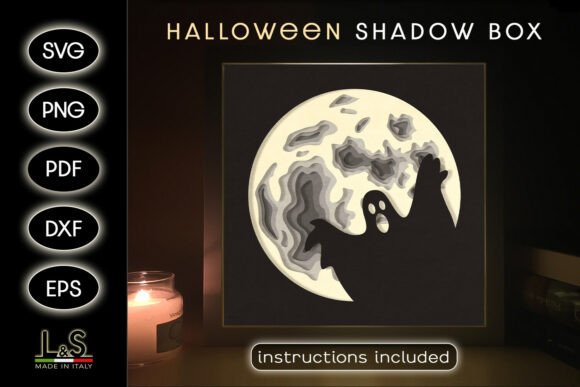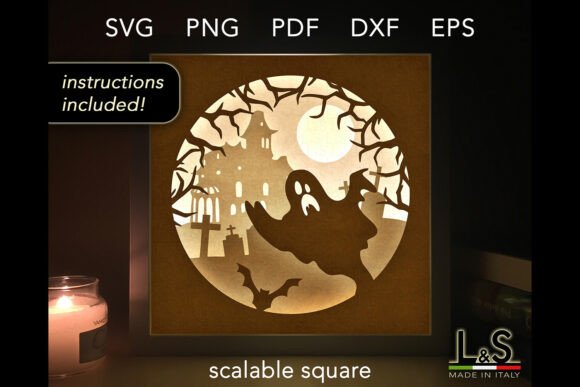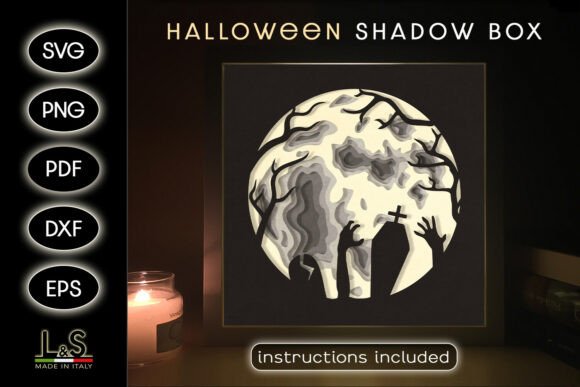
Spooky Zombie 3D SVG for Shadow Boxes
As a digital publisher and blog designer, I constantly evaluate graphic design assets not just for their aesthetic appeal, but for their utility in a real content workflow. When I first opened the files for the Spooky Zombie Halloween Shadow Box, I wasn't looking at it merely as a craft project; I was assessing its potential as a visual anchor for seasonal editorial content. The immediate impression is one of intricate depth and playful macabre charm. Unlike flat vector illustrations that can sometimes feel sterile or generic, this asset possesses a tangible quality. It evokes a mood that is simultaneously artistic and accessible, striking a balance between professional craftsmanship and festive fun. For publishers in the DIY, crafting, or seasonal lifestyle niches, this specific visual tone is crucial. It signals to the reader that the content within is detailed, thoughtful, and worth their time.
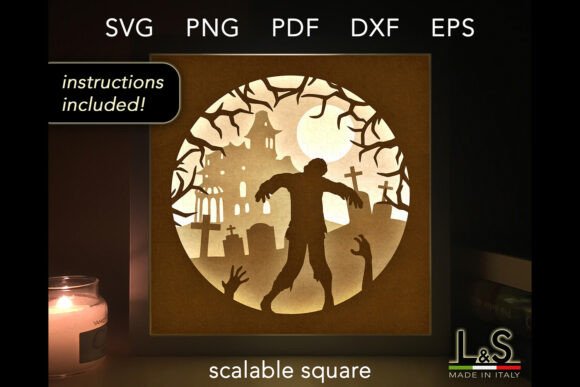
The description notes that you can create your next masterpiece with this layered zombie template, primarily designed for light boxes using white cardstock. However, from a web design and publishing perspective, the value extends far beyond the physical cut file. The high-contrast nature of the layers creates natural shadows and highlights that translate exceptionally well to screens. This makes it an ideal candidate for blog graphics where visual hierarchy is paramount. The asset feels modern yet nostalgic, avoiding the overly gory aesthetic that can alienate general audiences while still delivering on the Halloween promise. It supports content that aims to be inspiring rather than shocking, making it perfect for family-friendly craft blogs, educational art resources, and creative entrepreneur portfolios.
Editorial Applications Across Digital Platforms
In my daily workflow, versatility is the metric by which I judge any digital download. The Spooky Zombie Halloween Shadow Box excels here because its complexity allows it to function across multiple formats without losing integrity. As a featured image for a blog post, the layered depth draws the eye immediately, increasing click-through potential from social feeds or category pages. When adapted into a Pinterest pin, the verticality and distinct silhouette of the zombie design perform well against busy Pinterest backgrounds, helping your content stand out in a saturated seasonal feed.
Beyond standard blog imagery, this asset serves as a powerful foundation for content marketing products. I can easily envision this design being used as the cover art for a digital guide on paper crafting or as a premium visual for a lead magnet offering free Halloween printables. For newsletter creators, the central focal point of the shadow box provides ample negative space around the edges for overlaying text or branding elements without obscuring the artwork. In affiliate marketing contexts, showcasing the finished 3D SVG render alongside product links for cutting machines or specialty paper builds trust; it proves the creator has actually tested and mastered the technique, rather than just promoting a theoretical concept.
Enhancing Brand Identity and Reader Trust
Visual consistency is the bedrock of brand identity. Using a high-quality asset like the Spooky Zombie Halloween Shadow Box elevates the perceived value of your entire website. Readers subconsciously associate polished editorial design with authoritative content. When your website header or category thumbnails feature cohesive, professionally rendered visuals, it reduces bounce rates and encourages deeper site exploration. This specific asset supports a creative design language that says "expert maker" rather than "amateur hobbyist."
Furthermore, for those selling design assets or running a creative marketplace shop, presenting this 3D SVG in a realistic, lit environment demonstrates product quality better than a flat screenshot ever could. It bridges the gap between the digital file and the physical result, which is essential for conversion. Whether you are using it for social media graphics to drive engagement or as part of a Canva template for subscribers, the asset carries enough visual weight to anchor your seasonal branding strategy effectively.
Strategic Placement and Visual Hierarchy
Knowing where to deploy a complex graphic is just as important as having it. The Spooky Zombie Halloween Shadow Box works best in large-format applications where the layering details remain visible. Hero images at the top of tutorial posts are prime real estate. Similarly, it shines as a thumbnail for YouTube videos or Instagram Reels covering Halloween crafts. In printable design previews, showing the assembled shadow box helps customers visualize the end result, directly supporting sales.
However, publishers must exercise caution. Due to the intricate cuts and reliance on shadow for definition, this asset should be used carefully in small mobile thumbnails where details may muddy together. Avoid placing it on low-contrast backgrounds or busy patterns that compete with the internal layers of the design. It is also less suitable for serious corporate communications or minimalist websites where such decorative exuberance might clash with the established modern design system. Always prioritize readability; if the shadow box is used behind text, ensure there is sufficient contrast or a solid backing layer to maintain accessibility standards.
Publisher Workflow and Technical Considerations
Before integrating the Spooky Zombie Halloween Shadow Box into a live campaign, I recommend a rigorous testing phase. Always preview the graphic on both desktop and mobile screens to ensure the focal point remains clear. Test it alongside your primary typography; I found it pairs beautifully with bold sans-serif fonts for headlines and delicate script fonts for accents, but clashes with overly ornate display fonts. Check the file size of your rendered images; while the detail is necessary, web performance cannot be sacrificed. Compress your PNGs or WebP files properly to maintain speed without losing the crispness of the cut lines.
- Licensing Verification: Before using this on monetized sites, affiliate pages, or paid digital products, confirm the commercial license terms. Ensure you have the right to use the rendered images for commercial promotion.
- Contrast Testing: View the asset in grayscale to ensure the layers read clearly without color cues. This ensures accessibility and effectiveness in black-and-white print media.
- Contextual Mockups: Place the design inside a real blog layout or newsletter template before publishing. What looks good in isolation might need adjustment when surrounded by sidebar widgets or navigation menus.
- Small Business Branding: If adapting this for client work or small business branding, ensure the spooky aesthetic aligns with their specific audience demographics and brand voice.
Ultimately, the Spooky Zombie Halloween Shadow Box is more than just a seasonal decoration; it is a functional tool for digital storytelling. By leveraging its depth and charm strategically, publishers can create visual hierarchy that guides readers, enhances content marketing efforts, and establishes a memorable seasonal presence. Whether you are building a digital guide, refreshing your blog’s autumn aesthetic, or creating engaging social media graphics, this asset provides the professional polish necessary to turn casual browsers into loyal followers and customers. Treat it with the same respect you would give any core element of your web design system, and it will deliver returns in engagement and trust throughout the Halloween season.