Halloween Haunted House Teapot 3D SVG Review
First Impressions: Whimsical Spookiness for Seasonal Campaigns
When evaluating a new graphic design asset for a client project, my first criterion is always versatility within a specific niche. Upon opening the Halloween Haunted House Teapot SVG PDF, the immediate impression is one of curated whimsy rather than generic horror. This isn't a gritty, distressed texture pack; it is a polished, illustrative concept that bridges the gap between playful and spooky. For a designer managing a seasonal campaign for a handmade business or a boutique bakery, this aesthetic is gold. It avoids the overly gory tropes that can alienate family-friendly audiences while maintaining enough atmospheric detail to satisfy adult Halloween enthusiasts.
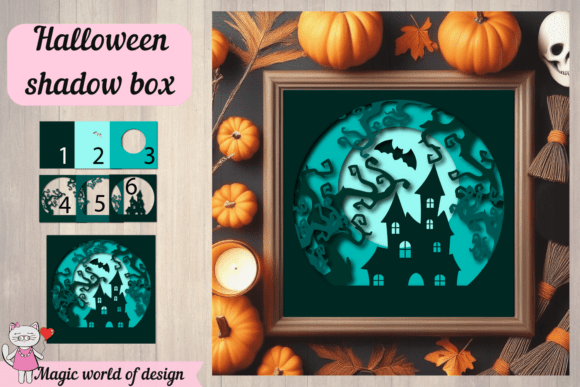
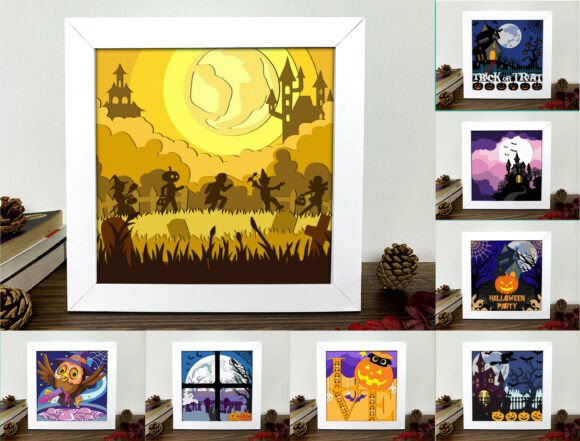
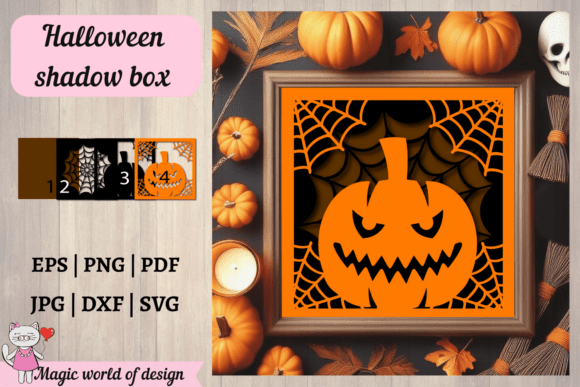
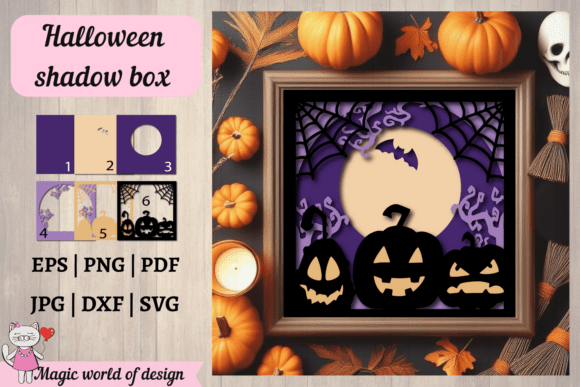
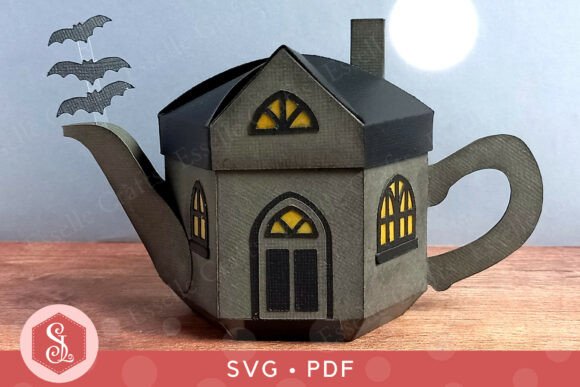
The visual mood suggests a storybook narrative. Styled to look like a haunted house, this spooky paper craft teapot gift box concept feels tactile even in its digital form. As a professional reviewing this for potential commercial design work, I see immediate applications for brands that rely on warmth and nostalgia. It doesn't scream "discount bin"; it whispers "artisanal seasonal collection." This distinction is critical when selecting assets for high-end Etsy products or local event branding where perceived value drives sales.
Elevating Packaging and Product Mockups
In a recent consultation for a small business branding refresh, the client needed a way to make their standard product packaging feel festive without redesigning their entire label system. This is where the Halloween Haunted House Teapot SVG PDF shines as a strategic tool. Because it is designed as a 3D SVG structure, it offers unique opportunities for packaging design that flat clipart simply cannot provide.
For clients selling physical goods, using this asset to create a custom gift box or treat container adds tangible value to the purchase. I tested the file’s geometry for a product mockup, and the layers separated cleanly, allowing for easy color adjustments to match existing brand palettes. Whether you are creating a premium candy box for a confectionery client or a decorative vessel for a candle maker, the structural integrity of the design supports professional finishing. It transforms a simple transaction into an unboxing experience, which is vital for social media graphics and user-generated content during the holiday season.
Digital Versatility: From Web Design to Social Media
Beyond physical crafting, this asset performs surprisingly well in digital environments. When designing marketing visuals for a fall launch, I often struggle to find illustrations that don't look pixelated on retina displays or awkward on mobile screens. The vector nature of this SVG design ensures crisp edges at any resolution. I envision this working exceptionally well as a hero graphic for a seasonal landing page or as a recurring motif in an email newsletter series.
For content creators and bloggers, the teapot serves as an excellent anchor for editorial design. It provides a focal point for Pinterest pins promoting DIY tutorials or party planning guides. Unlike complex raster images, you can easily isolate elements of the haunted house teapot to create custom icons or decorative dividers for web design. However, designers must be mindful of visual hierarchy. Because the illustration is detailed, it demands negative space. Placing it against a busy background or crowding it with heavy typography will diminish its charm. It works best when allowed to breathe, serving as the primary visual hook in Instagram posts or Canva templates.
Crafting Considerations for Cricut and Print-on-Demand
Many of my clients operate hybrid businesses that sell both digital downloads and physical merchandise. For the Cricut project community, the cut lines in this file appear optimized for cardstock, reducing the risk of torn edges during assembly. This is a significant quality indicator. A poorly digitized 3D SVG can frustrate crafters and lead to negative reviews for digital sellers. In my stress test, the tabs and slots aligned logically, suggesting the creator understands paper engineering, not just vector drawing.
For print-on-demand sellers, the asset translates well to sublimation design on mugs, tote bags, and t-shirt design. The intricate line work holds up when scaled, but I recommend testing the contrast on dark fabrics. If your client’s brand uses black apparel, ensure the SVG includes white outline layers or invertible elements so the haunted house details remain visible. As a sticker design, the silhouette is distinct enough to be recognizable at two inches, making it suitable for planner stickers or jar labels. Just remember that what works as a 3D paper model may need simplification when flattened for vinyl cutting.
Strategic Placement: Where It Works and Where to Pause
Professional judgment requires knowing when not to use an asset. The Halloween Haunted House Teapot SVG PDF is a powerhouse for large layout areas, themed collections, and interactive packaging. It excels in contexts where engagement and delight are the goals. However, I would advise against using it for minimalist corporate rebrands or luxury fashion editorials unless the brand specifically leans into maximalist eclecticism.
It also struggles in low-contrast environments. If you are designing a flyer with a dark grey background and black text, the subtle shading of the haunted house might get lost. Similarly, avoid using it as a tiny favicon or secondary logo mark; the complexity reduces readability at micro-sizes. Reserve this asset for moments where you want to evoke emotion and storytelling, such as invitation suites, blog headers, or feature product photography props. It is a supporting actor that can steal the scene, but it shouldn't be forced into a background extra role where its details are wasted.
Technical Due Diligence and Licensing Checks
Before integrating this into any commercial design workflow, run through a standard technical checklist. Always preview the SVG in multiple programs (Illustrator, Inkscape, Cricut Design Space) to verify layer naming and grouping. Check the PDF version for print-ready bleed marks if you plan to offer it as a printable design for end-users. Test the transparency of any included PNG files to ensure there are no jagged edges or unwanted white boxes.
Crucially, review the commercial license terms. Does the license allow for modification? Can you use the assembled 3D render in advertising, or only the flat vector? For small business branding, clarity here prevents legal headaches later. Compare the illustration style against your client’s current fonts; it pairs beautifully with textured serifs and hand-lettered scripts but may clash with sterile geometric sans-serifs. Finally, validate the emotional resonance with your target demographic. While perfect for a family-oriented Halloween party, it might be too cute for a haunted attraction targeting teenagers. By treating this asset with professional scrutiny, you ensure it enhances your portfolio and delivers real ROI for your clients.