Halloween Spider and Web Shadow Box 3D SVG Review
Evaluating Visual Depth for Seasonal Client Campaigns
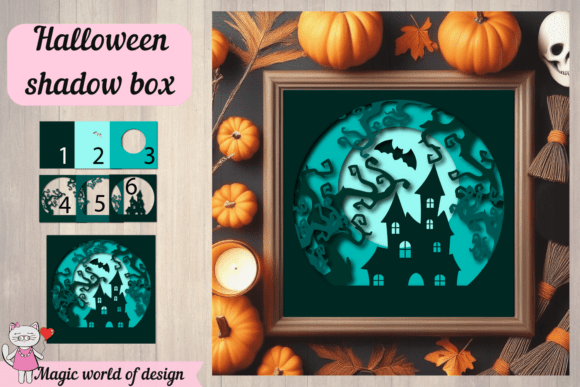
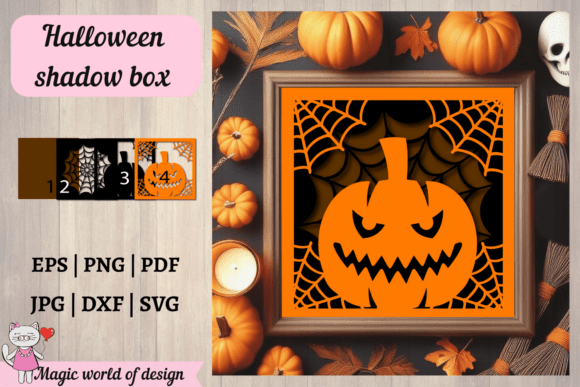
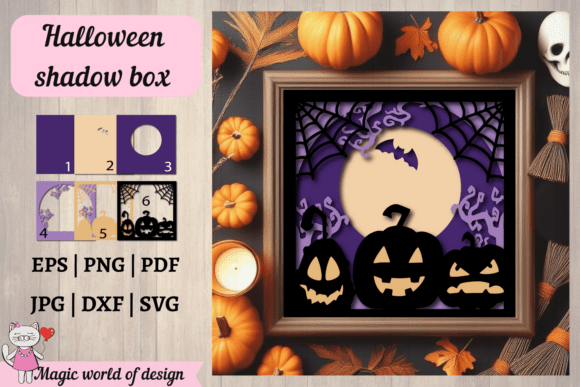
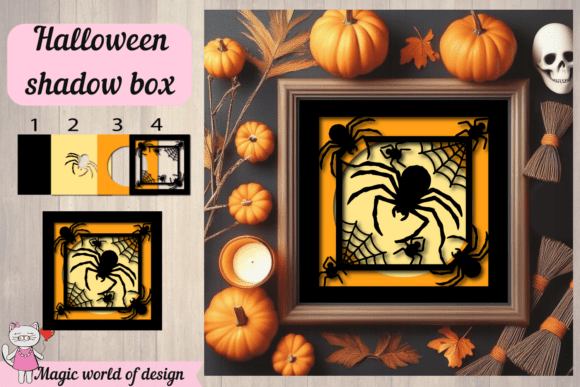
When reviewing the Halloween Spider and Web Shadow Box SVG for a recent boutique client project, my primary focus was assessing whether this asset could bridge the gap between playful craft and sophisticated seasonal branding. As a graphic designer managing visual identities for handmade businesses and small retailers, I often encounter assets that look charming in a thumbnail but fail to translate into professional marketing visuals. This specific design asset immediately stood out because of its intentional layering. Unlike flat clipart or generic illustration files, this 3D SVG is engineered with spatial awareness. The interplay between the foreground spider elements and the receding web structure creates genuine depth, which is critical when designing physical products like shadow boxes or digital mockups that need to convey texture and dimension.
The mood this graphic design asset establishes is distinctly "hauntingly beautiful" rather than overtly grotesque. For my client, a high-end candle maker launching an autumn collection, this tonal balance was essential. We needed a creative design element that felt artisanal and intricate, supporting a brand identity rooted in craftsmanship. The vector lines are clean enough for precision cutting on Cricut and Silhouette machines, yet they possess enough organic variation to avoid looking sterile. When evaluating this as a commercial design tool, it becomes clear that it serves best as a centerpiece for thematic storytelling rather than mere background decoration.
Performance Across Packaging, Printables, and Digital Media
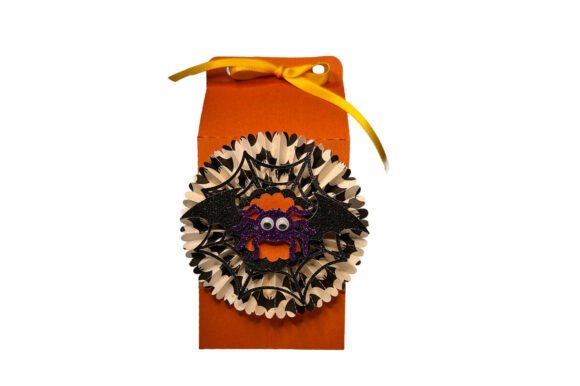
In practical application, the versatility of this Halloween Spider and Web Shadow Box SVG determines its ROI for a design bundle or standalone purchase. During our campaign development, we tested this asset across multiple touchpoints to gauge its adaptability. For packaging design, specifically box sleeves and jar labels, the layered nature of the file allowed us to create a premium unboxing experience. By utilizing different paper stocks for each layer, the physical product mirrored the digital complexity of the SVG design. This tactile quality is something flat PNG design files simply cannot replicate, making this asset superior for clients selling tangible goods on Etsy or at local markets.
For digital marketing visuals, the asset performed exceptionally well as a hero graphic for social media graphics and Pinterest pins. However, adaptation was necessary. While the original file is optimized for a Cricut project, we had to simplify the layers for web design and Instagram posts to ensure fast load times and visual clarity on mobile screens. As a sticker design or t-shirt design element, the intricate webbing requires careful consideration of negative space. On dark fabrics, the design pops beautifully, but on lighter materials, the internal details of the web can get lost if the line weight isn't adjusted. This highlights the importance of treating this not just as a static image, but as a flexible vector asset that demands active art direction.
We also explored its utility in editorial design and blog visuals for content creators. The shadow box concept translates surprisingly well to 2D layouts when used as a framing device for text or product photography. It adds a modern design aesthetic to seasonal content without overwhelming the reader. For print-on-demand sellers, this asset offers significant value because the layered composition suggests a higher perceived value than standard flat prints, potentially justifying a higher price point for wall art or decorative home goods.
Strategic Placement: Maximizing Impact Without Clutter
Understanding where to deploy this asset is just as important as knowing how to cut it. Based on my testing, the Halloween Spider and Web Shadow Box SVG excels in large layout areas where its complexity can be appreciated. It is ideal for storefront window decals, event signage, and detailed product mockups where the viewer has time to engage with the visual hierarchy. In these contexts, the 3D effect acts as a focal point that draws the eye and anchors the surrounding design elements.
Conversely, designers must exercise caution when integrating this asset into small-scale applications or minimalist branding projects. At reduced sizes, such as business cards or website favicons, the delicate web strands risk merging into visual noise, compromising readability and professional polish. I would advise against using this specific asset for corporate B2B materials or clean, Swiss-style layouts where geometric simplicity is paramount. Furthermore, if your client’s brand relies on high-contrast accessibility standards, verify that the layered shadows do not obscure essential text or call-to-action buttons. The asset supports emotional appeal and audience engagement best when it has room to breathe; crowding it undermines the very depth that makes it special.
Technical Pre-Flight Checks for Professional Results
Before committing this Halloween Spider and Web Shadow Box SVG to a final production run or client deliverable, rigorous technical validation is non-negotiable. My pre-flight checklist for this type of layered paper cut file includes several critical steps to ensure commercial viability:
- Contrast Testing: Always preview the design in pure black and white before applying color. If the layers rely solely on color differentiation rather than luminance contrast, the design will fail in monochrome printing or low-light photography.
- Font Pairing Analysis: Test the asset against various typography styles. I found it pairs best with textured serif fonts or elegant handwritten scripts that match its organic feel. Avoid pairing it with rigid, geometric sans-serif fonts unless you are intentionally aiming for a jarring, avant-garde contrast.
- Vector Integrity: Open the SVG in Illustrator or Inkscape to inspect node count and path closure. Some marketplace assets have open paths that cause cutting errors. Ensure all compound paths are welded correctly to prevent machine jams during Cricut projects.
- Licensing Verification: Confirm the commercial license terms explicitly. If you are using this for a client’s product line or a Canva template intended for resale, standard personal-use licenses are insufficient. Protect your business and your client by securing proper commercial rights.
- Mockup Validation: Never approve the design based on the raw file alone. Place it on realistic product mockups and print test sheets. Digital screens lie about scale; what looks substantial on a monitor may appear fragile on cardstock.
Final Verdict for Commercial Creative Workflows
After thorough evaluation, the Halloween Spider and Web Shadow Box SVG proves to be a robust addition to any designer’s seasonal toolkit, provided it is applied with strategic intent. It successfully elevates standard Halloween decor into the realm of refined visual merchandising and branded storytelling. For small business branding, handmade entrepreneurs, and digital sellers, this asset offers a shortcut to achieving a bespoke, high-effort aesthetic without custom illustration costs.
However, its success depends entirely on the designer’s willingness to treat it as a component of a larger system rather than a standalone solution. When integrated thoughtfully into packaging, social media campaigns, or printable design collections, it enhances visual trust and recognition. It signals to the consumer that the brand cares about detail and atmosphere. Just remember that like any powerful spice, it should enhance the dish, not overpower it. By respecting its technical constraints and leveraging its dimensional strengths, this 3D SVG can transform a generic seasonal promotion into a memorable brand experience that resonates long after the holiday ends.