Halloween Spider Bat Milk Box: 3D SVG Review
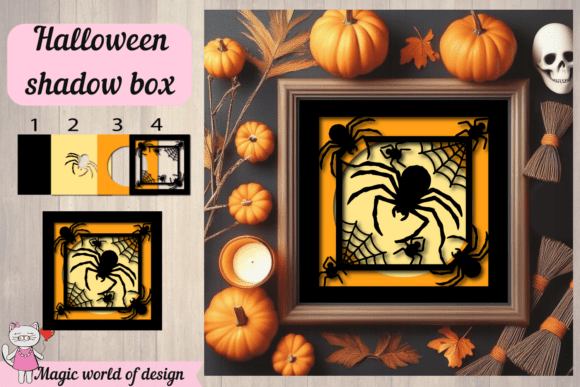
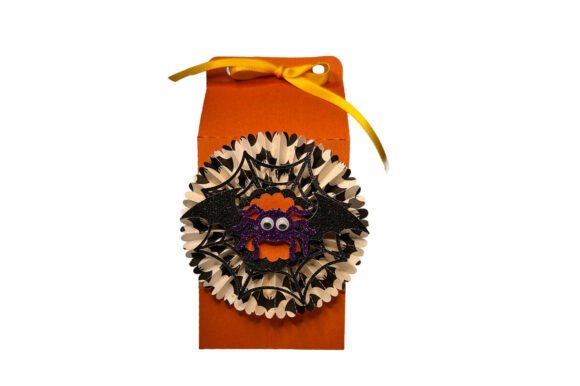
As a digital publisher and blog designer, I constantly evaluate graphic design assets not just for their aesthetic appeal, but for their utility in a real content marketing workflow. When reviewing the Halloween Spider Bat Milk Box, my first impression was that this asset bridges the gap between playful DIY culture and polished editorial presentation. Unlike generic clip art that often feels flat or dated, this 3D SVG offers dimensional depth that translates exceptionally well to screen-based media. The intricate detailing of the spider web, bat, and arachnid elements creates a specific mood that is spooky yet sophisticated, avoiding the overly juvenile tone that can sometimes alienate adult audiences in the home decor or party planning niches.
From an editorial design perspective, this asset establishes immediate visual context. It signals to the reader that the content is seasonal, creative, and hands-on without needing to read a single word of the headline. For publishers managing high-volume seasonal content, having a design asset that carries this much thematic weight allows for cleaner layouts. You do not need to clutter your website header or featured image with excessive text overlays because the illustration itself communicates the value proposition. It feels modern and intentional, making it suitable for lifestyle blogs, crafting educators, and affiliate marketers who need to maintain a professional brand identity while participating in seasonal trends.
Elevating Blog Graphics and Pinterest Strategy
In my publishing workflow, the primary challenge during Q4 is creating distinct visuals for dozens of related articles without them looking repetitive. The Halloween Spider Bat Milk Box serves as an excellent anchor for blog graphics and Pinterest pins. Because the file is structured as a 3D carton, it naturally mimics physical product photography. This is crucial for click-through rates on platforms like Pinterest, where users are conditioned to stop scrolling for tangible, realistic-looking objects rather than abstract vectors.
When designing a Pinterest pin, I found that the vertical orientation of the milk box aligns perfectly with the platform’s preferred aspect ratio. The negative space around the central carton illustration provides ample room for bold typography without obscuring the key visual details. For bloggers creating "Best Of" roundups or tutorial headers, this asset acts as a consistent visual thread. Instead of using disparate stock photos that vary in lighting and style, utilizing this unified creative design element across multiple posts strengthens category recognition. Readers begin to associate this specific artistic style with your site’s authority on Halloween crafts, which improves user retention and trust.
Applications for Digital Products and Lead Magnets
Beyond standard blog imagery, this asset holds significant value for creators monetizing through digital downloads and email lists. As a lead magnet cover or eBook graphic, the Halloween Spider Bat Milk Box suggests a premium, curated experience. If you are offering a free printable party planner or a paid digital guide for Halloween hosting, the cover art must promise quality. The detailed line work and balanced composition of this SVG imply that the content inside is equally well-crafted.
For those building Canva templates to sell or share, this asset is highly versatile. Its vector nature means it scales infinitely without pixelation, making it safe for everything from small social media icons to large-format printables. I specifically recommend using it for:
- Newsletter Headers: Sets a festive tone immediately upon opening.
- Affiliate Marketing Banners: Draws attention to craft supply links or Cricut/Silhouette accessories.
- Social Media Graphics: Creates cohesive Instagram carousels explaining assembly steps.
- Content Upgrades: Serves as the visual hook for downloadable checklists inserted within blog posts.
The ability to manipulate the colors within the SVG also supports small business branding. You can adjust the palette to match your exact hex codes, ensuring that even seasonal content remains on-brand. This flexibility is what separates a professional publisher from an amateur hobbyist.
Visual Hierarchy and Editorial Placement
Effective web design relies on guiding the reader's eye, and this asset supports strong visual hierarchy. The contrast between the solid milk carton shape and the delicate web details creates natural focal points. In an article layout, placing this graphic beside introductory text breaks up dense copy and reduces bounce rates. However, placement matters. I have found that this specific design works best as a hero image or a primary thumbnail. It has enough complexity to stand alone but enough structure to support overlay text when necessary.
Conversely, there are environments where caution is required. Due to the intricate nature of the spider web and bat silhouettes, this asset should be used carefully in small mobile thumbnails or favicon-sized applications. At very low resolutions, the fine lines may blur or disappear, reducing the impact. Additionally, if your website utilizes a dark mode or busy textured background, ensure there is sufficient padding or a solid backing behind the SVG to maintain readability. This level of detail demands breathing room; cramming it into a sidebar widget or a footer ad will likely result in visual noise rather than engagement.
Publisher Notes: Technical and Licensing Checks
Before integrating the Halloween Spider Bat Milk Box into any live project, experienced publishers must perform due diligence. Visual appeal is only half the battle; technical performance and legal compliance are equally critical for content marketing success. Based on my testing workflow, here are the essential checks for this asset:
- Mobile Responsiveness Test: Always preview the graphic on actual mobile devices, not just browser resizing tools. Ensure the 3D effect reads clearly on smaller screens and that text overlays remain legible against the illustration.
- Typography Pairing: Test the asset against your site’s font stack. I found it pairs beautifully with bold sans-serif display fonts for headlines and clean serif fonts for body text. Avoid overly ornate script fonts directly over the web details, as they compete visually.
- File Optimization: While SVGs are generally lightweight, complex 3D-style vectors can contain thousands of anchor points. Run the file through an SVG optimizer before uploading to your media library to prevent slowing down page load speeds, which impacts SEO.
- Contrast Verification: Check accessibility standards. If using the asset as a background for text, verify WCAG contrast ratios. You may need to add a semi-transparent overlay to ensure text is readable for all users.
- Licensing Confirmation: This is non-negotiable. Before using this on monetized pages, affiliate sites, or in products for sale, confirm the commercial license terms. Verify if attribution is required and whether the asset can be used in end-products sold on creative marketplace platforms. Never assume a digital download is cleared for commercial use without reading the specific vendor agreement.
- Black and White Conversion: Test how the design looks in grayscale. This ensures it remains effective for printables intended for home printing where users may not have color ink, and helps verify that the design relies on form rather than just color differentiation.
Ultimately, the Halloween Spider Bat Milk Box is more than just a seasonal decoration; it is a functional tool for digital storytelling. By treating this graphic design asset with the same strategic consideration as your written content, you elevate the perceived value of your entire publication. Whether you are driving traffic through Pinterest pins, selling printable designs, or simply enhancing the reader experience on your blog, this asset delivers the professional polish necessary to compete in today’s crowded digital landscape. It respects the intelligence of the audience while celebrating the creativity of the season, making it a worthy addition to any serious publisher’s seasonal toolkit.